Navigating the Flames: Understanding Arizona’s Wildfire Landscape
Related Articles: Navigating the Flames: Understanding Arizona’s Wildfire Landscape
Introduction
With great pleasure, we will explore the intriguing topic related to Navigating the Flames: Understanding Arizona’s Wildfire Landscape. Let’s weave interesting information and offer fresh perspectives to the readers.
Table of Content
Navigating the Flames: Understanding Arizona’s Wildfire Landscape

Arizona, renowned for its arid landscapes and diverse ecosystems, is also a state susceptible to wildfires. These natural events, while often destructive, are an integral part of the state’s ecological balance. Understanding the current wildfire situation in Arizona requires navigating a complex tapestry of factors, including weather patterns, vegetation, and human activity.
A Visual Guide to Arizona’s Fires:
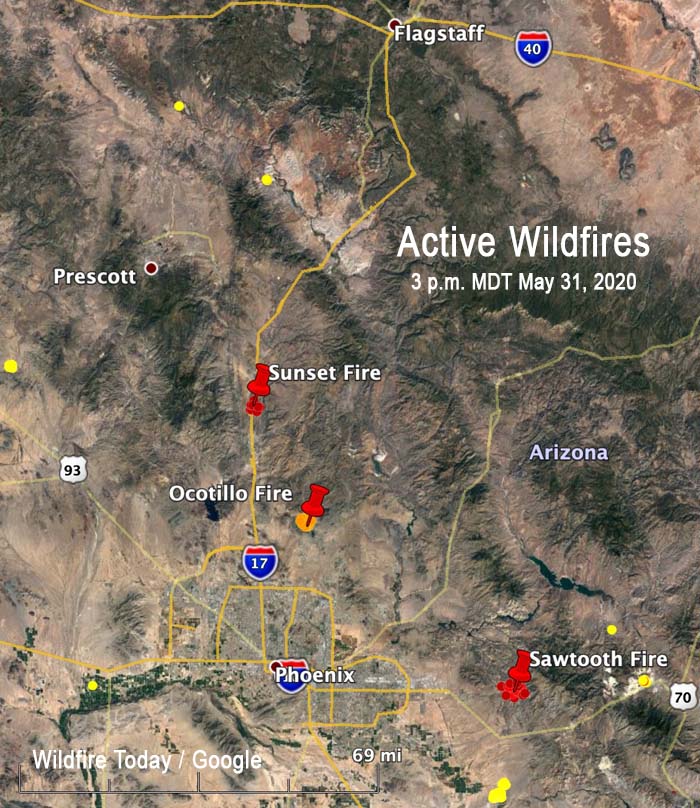
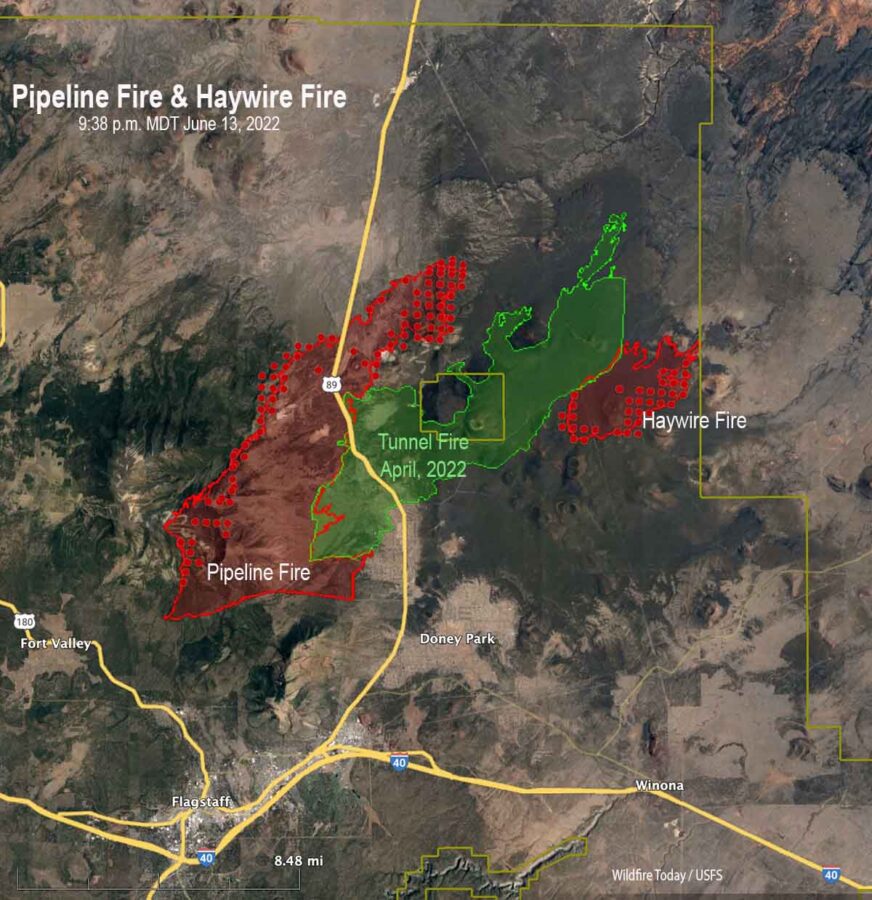
Real-time wildfire information is readily available through interactive maps, provided by various sources like the Arizona Department of Forestry and Fire Management (DFFM) and the National Interagency Fire Center (NIFC). These maps offer a visual representation of active fires, their locations, containment status, and other crucial details.
Deciphering the Map:
- Red outlines: Depict active fires, indicating areas where flames are currently burning.
- Yellow outlines: Denote fires that are contained, signifying that fire lines have been established and the spread of the fire is under control.
- Green outlines: Indicate fires that are fully extinguished, signifying the fire has been completely put out.
- Other symbols: May represent fire behavior, smoke plumes, and other relevant information.
Beyond the Map: Factors Shaping Wildfire Risk
The Arizona wildfire map is a snapshot of a dynamic situation. Factors influencing fire activity include:
- Weather: Dry conditions, high winds, and lightning strikes significantly contribute to wildfire ignition and spread.
- Vegetation: Dense, dry vegetation provides fuel for fires, while areas with more sparse vegetation are less susceptible.
- Human activity: Accidental fires, arson, and improper land management practices can spark wildfires.
- Climate change: Rising temperatures and altered precipitation patterns exacerbate drought conditions, increasing the risk of wildfires.
The Importance of Fire Information:
Understanding Arizona’s fire situation is crucial for:
- Public safety: Real-time fire maps help residents and visitors stay informed about potential threats and evacuate if necessary.
- Resource allocation: Fire agencies use this information to prioritize resources and deploy firefighters efficiently.
- Environmental management: Fire maps allow for monitoring the impact of fires on ecosystems and inform post-fire recovery efforts.
Frequently Asked Questions:
Q: How can I find the most accurate and up-to-date information about wildfires in Arizona?
A: The best sources for real-time wildfire information are official websites like the DFFM, NIFC, and local news outlets.
Q: What should I do if I see smoke or a fire in the distance?
A: Immediately call 911 and provide your location, a description of the fire, and any relevant details.
Q: Are there specific areas in Arizona that are more prone to wildfires?
A: Yes, areas with dry vegetation, steep slopes, and high winds are more susceptible to wildfires. The central and northern parts of Arizona, including the Prescott National Forest and the Kaibab National Forest, are particularly prone to wildfires.
Q: How can I help prevent wildfires?
A: Be mindful of fire safety practices, including:
- Clear vegetation around your home: Create a defensible space by removing flammable materials within 100 feet of your home.
- Use caution with fire: Be careful when using campfires, grills, and other fire sources. Ensure fires are completely extinguished before leaving.
- Avoid operating machinery during dry conditions: Sparks from machinery can ignite dry vegetation.
Tips for Staying Safe during Wildfire Season:
- Stay informed: Monitor official sources for updates on fire activity.
- Have an evacuation plan: Know where to go and how to get there if you need to evacuate.
- Be aware of your surroundings: Watch for smoke, flames, and other signs of fire.
- Take action: If you see a fire, call 911 immediately.
Conclusion:
Arizona’s fire landscape is a dynamic and complex system. Understanding the factors that contribute to wildfire activity and utilizing resources like fire maps are crucial for mitigating risks and ensuring public safety. By staying informed and practicing responsible fire safety, we can all play a role in protecting our communities and preserving Arizona’s unique natural beauty.
![Arizona Fire Map: Fires & Smoke Near Me Right Now [June 23] Heavy.com](https://heavy.com/wp-content/uploads/2019/06/woodburyprogressionmap-2.jpeg?quality=65u0026strip=all)




Closure
Thus, we hope this article has provided valuable insights into Navigating the Flames: Understanding Arizona’s Wildfire Landscape. We hope you find this article informative and beneficial. See you in our next article!