Navigating the Path: A Comprehensive Guide to Greenway Maps
Related Articles: Navigating the Path: A Comprehensive Guide to Greenway Maps
Introduction
With enthusiasm, let’s navigate through the intriguing topic related to Navigating the Path: A Comprehensive Guide to Greenway Maps. Let’s weave interesting information and offer fresh perspectives to the readers.
Table of Content
Navigating the Path: A Comprehensive Guide to Greenway Maps
Greenways, those verdant ribbons weaving through urban landscapes and connecting communities, have become increasingly popular for recreation, transportation, and environmental benefits. Understanding a greenway map is crucial for maximizing these advantages, whether you’re a seasoned cyclist, a casual walker, or simply seeking a scenic escape. This article provides a comprehensive guide to greenway maps, exploring their features, interpreting their symbols, and highlighting their essential role in modern life.
Understanding the Basics: Decoding the Greenway Map
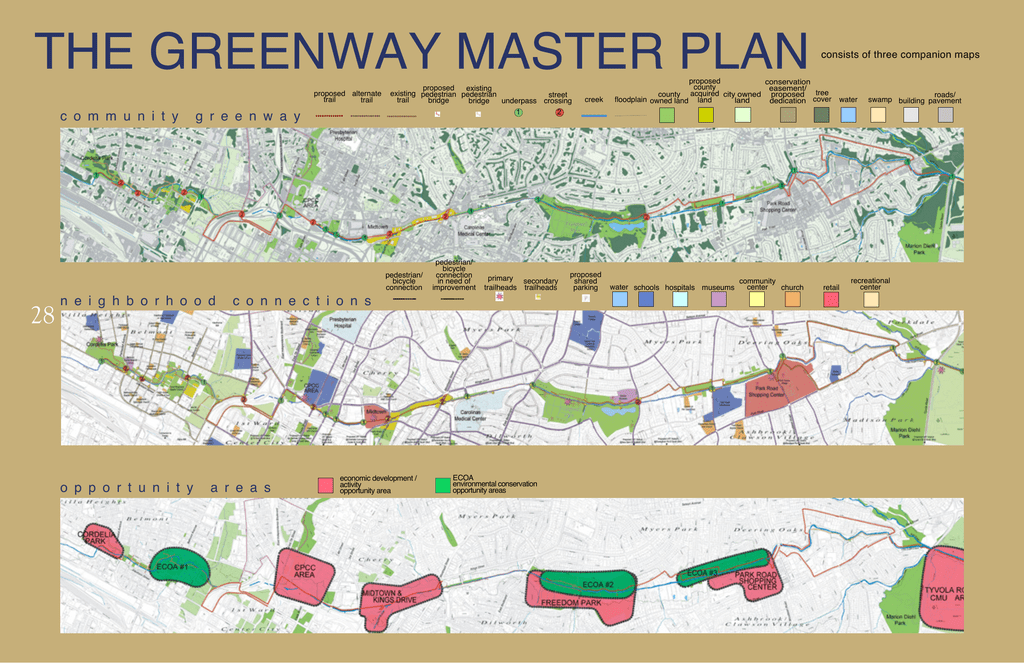
A greenway map is more than just a visual representation; it’s a roadmap to a healthier, more connected world. Here’s a breakdown of its key components:
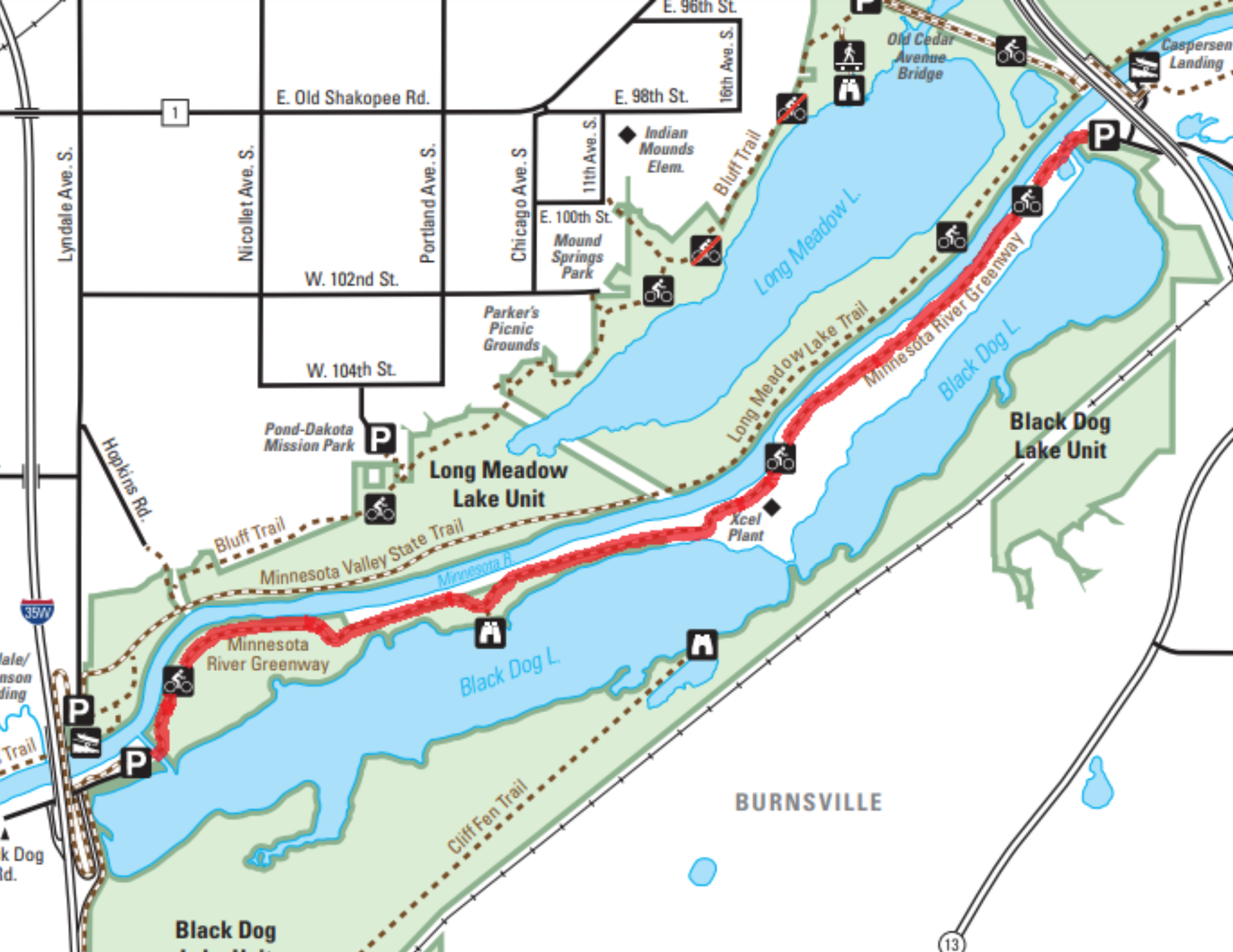
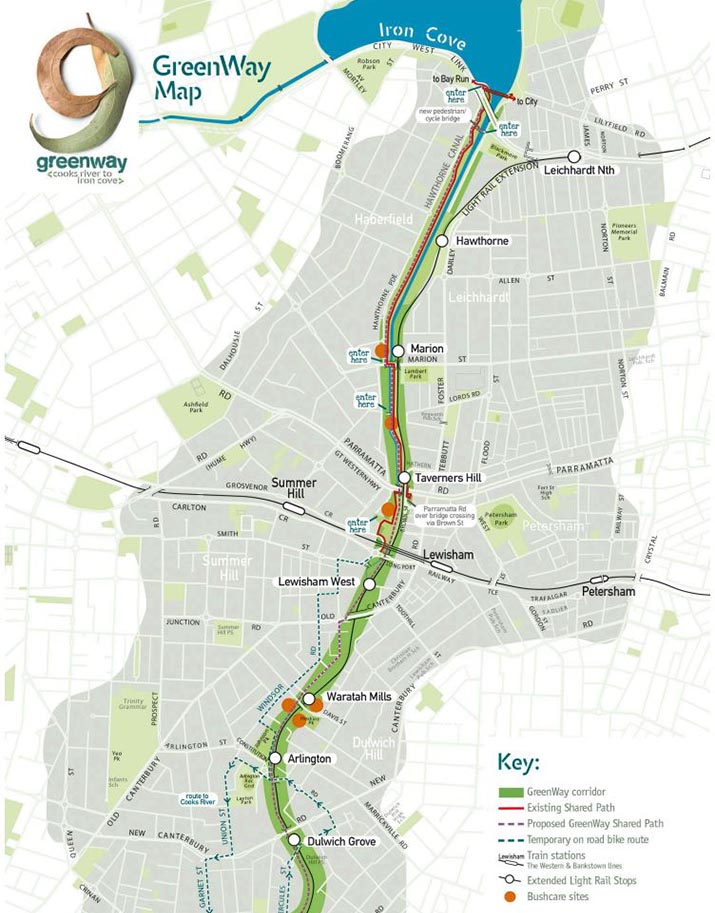
- The Network: Greenway maps showcase a network of trails, paths, and corridors. These may vary in width, surface material, and accessibility, catering to different user needs.
- Trail Types: The map typically distinguishes between different types of trails, such as paved paths, unpaved trails, bike lanes, and pedestrian walkways. This allows users to choose paths suited to their mode of transportation and desired experience.
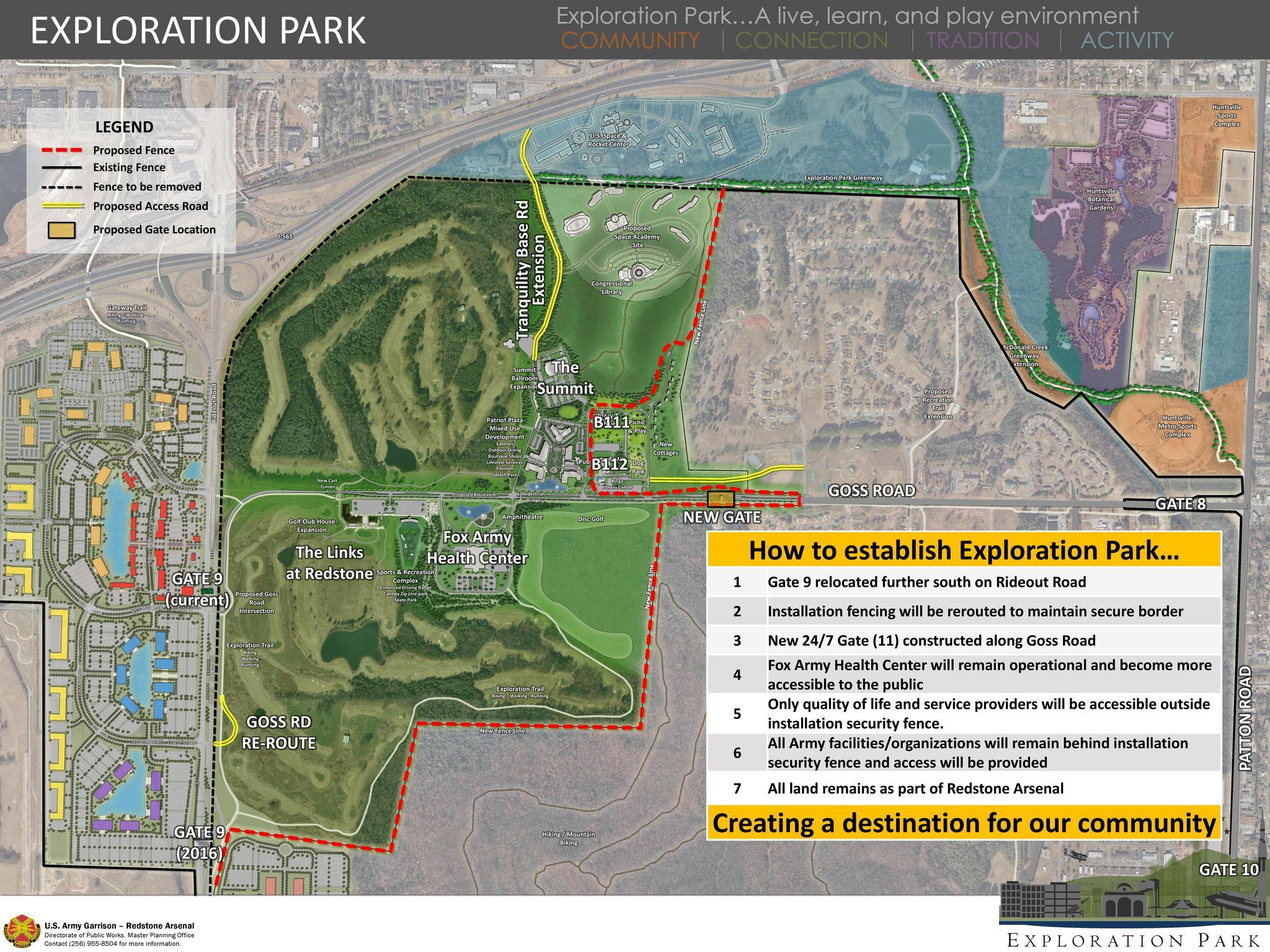
- Points of Interest: Greenway maps highlight key landmarks along the trail, including parks, nature reserves, historical sites, public restrooms, and water fountains. This information helps users plan their routes and discover hidden gems.
- Distance Markers: Miles or kilometers are often marked along the trail, enabling users to track their progress and plan their journey.
- Elevation Profile: Some greenway maps include elevation profiles, showcasing the terrain’s incline and decline. This information is particularly helpful for cyclists and runners planning their routes.
- Accessibility Features: Maps may indicate accessibility features like ramps, bridges, and rest areas designed for people with disabilities. This ensures inclusivity and promotes equitable access to greenway amenities.
- Legend: A legend explains the symbols used on the map, clarifying the meaning of different colors, lines, and icons.
Beyond the Basics: Exploring the Benefits
Greenway maps serve as a bridge between physical spaces and user experience, offering a wealth of benefits:
- Promoting Physical Activity: By providing clear and accessible pathways, greenway maps encourage walking, cycling, and other forms of physical activity. This contributes to improved public health and reduces reliance on motorized transportation.
- Connecting Communities: Greenways act as social connectors, linking neighborhoods, parks, and public spaces. Maps facilitate exploration and interaction, fostering a sense of community and shared space.
- Preserving Natural Environments: Greenways often traverse natural landscapes, promoting environmental conservation and biodiversity. Maps help users appreciate the beauty and ecological importance of these spaces.
- Sustainable Transportation: Greenways offer alternative transportation options, reducing reliance on cars and promoting sustainable modes of travel. Maps provide a visual guide for navigating these routes and embracing eco-friendly transportation.
- Economic Development: Well-maintained greenways attract visitors, boost tourism, and enhance property values. Maps play a vital role in showcasing these benefits and encouraging investment in green infrastructure.
Navigating the Map: Tips for Optimal Exploration
- Plan Your Route: Before embarking on your greenway adventure, carefully study the map to choose a route that aligns with your fitness level, time constraints, and desired experience.
- Check for Updates: Greenway maps are dynamic entities, subject to changes and updates. Consult the most recent version available online or at local information centers.
- Download a Digital Map: Mobile apps offer interactive maps with GPS tracking, allowing for real-time navigation and location-based information.
- Dress Appropriately: Consider the weather, terrain, and length of your chosen route when choosing your attire and footwear.
- Be Prepared: Pack water, snacks, sunscreen, and any necessary gear, including a first-aid kit and a phone charger.
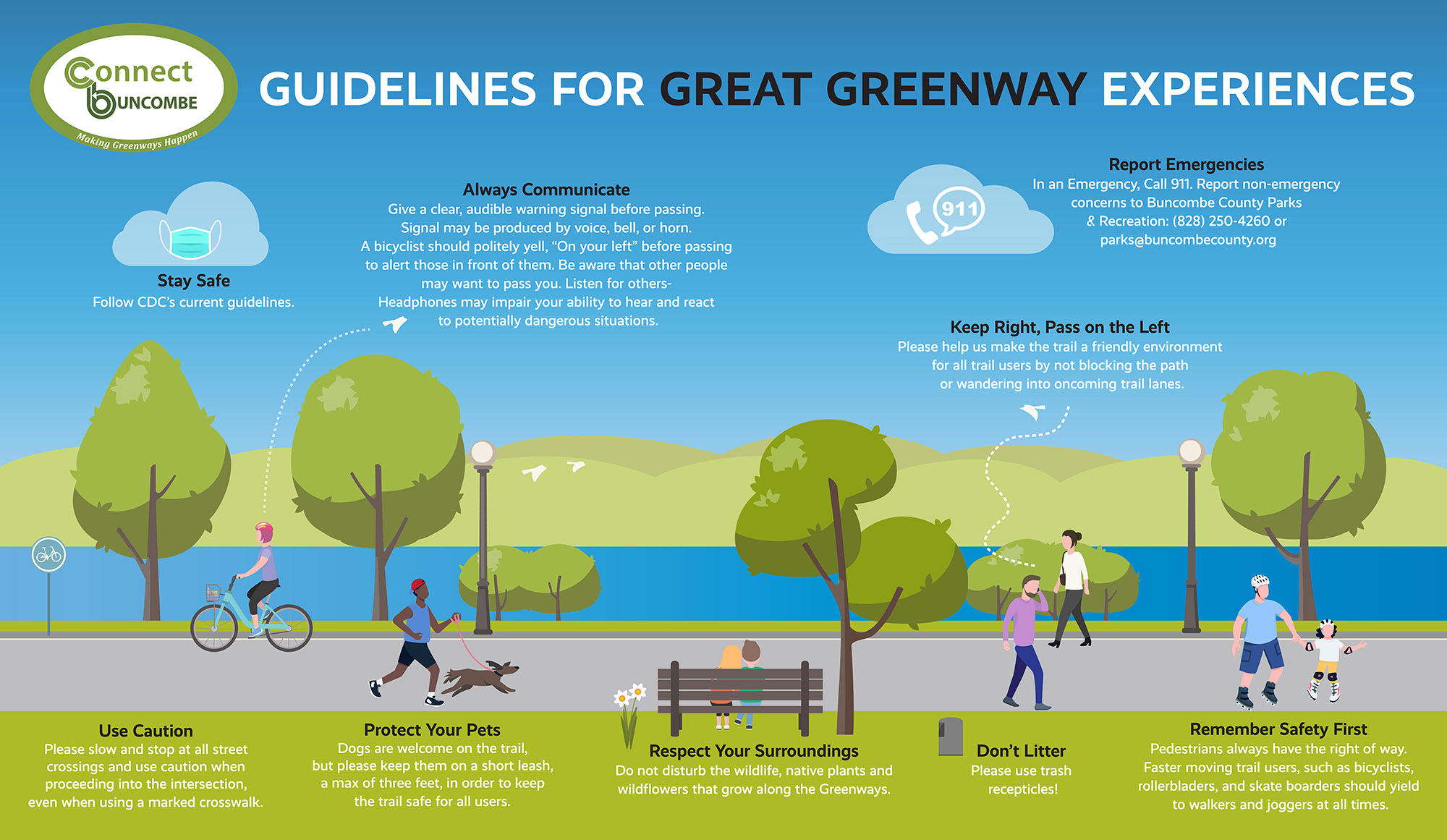
- Respect the Environment: Stay on designated trails, dispose of waste responsibly, and avoid disturbing wildlife.
- Be Aware of Your Surroundings: Pay attention to your surroundings, be mindful of other users, and follow trail etiquette.
- Enjoy the Journey: Greenway maps are tools for exploration and discovery. Embrace the journey, appreciate the scenery, and enjoy the benefits of connecting with nature.
Frequently Asked Questions about Greenway Maps
Q: Where can I find a greenway map?
A: Greenway maps are typically available online through local government websites, parks and recreation departments, and cycling advocacy groups. Printed maps can be found at visitor centers, libraries, and local businesses.
Q: What is the best way to use a greenway map?
A: The best way to use a greenway map is to familiarize yourself with its features and symbols before embarking on your journey. Consider using a digital map for real-time navigation and location-based information.
Q: Are greenway maps accessible to everyone?
A: Many greenways strive for accessibility, incorporating features like ramps, bridges, and rest areas designed for people with disabilities. However, it’s important to consult the map to confirm accessibility features along your chosen route.
Q: Can I use a greenway map for other activities besides walking and cycling?
A: Yes, greenway maps can be used for various activities, including running, rollerblading, and even horseback riding, depending on the trail’s designated use.
Q: How can I contribute to the development of greenways?
A: You can contribute to the development of greenways by advocating for their expansion, volunteering for local greenway organizations, and supporting initiatives that promote sustainable transportation.
Conclusion: Embracing the Greenway Network
Greenway maps are essential tools for unlocking the full potential of these vital corridors. By understanding their features, navigating their symbols, and embracing their benefits, we can navigate a path towards healthier, more connected, and environmentally conscious communities. Greenway maps are not just maps; they are a roadmap to a brighter future, a future where nature and urban life coexist in harmony, fostering a sense of belonging and well-being for all.



Closure
Thus, we hope this article has provided valuable insights into Navigating the Path: A Comprehensive Guide to Greenway Maps. We appreciate your attention to our article. See you in our next article!